
Gcsaa Scholarship
Gcsaa Scholarship - Learn how rest, ice, elevation, and compression can help you reduce pain and recover more quickly. If done correctly it can prevent an injury from getting worse and promote healing. A very simple procedure called rice, which stands for rest, ice, compression and elevation, can be performed by anyone. What is the rice method? Rice stands for rest, ice, compression and elevation. We’re not taking away from the healing power of rice though. The traditional rice protocol (rest, ice, compression, elevation) has been a foundational approach in acute soft tissue injury management since its introduction in 1978. The rice method is a longstanding protocol for caring for musculoskeletal injuries. When this procedure is initiated quickly after an injury, it can help to. There are newer approaches to the rice (rest, ice, compression, and elevation) treatment protocol. If you’ve ever pulled your hamstring or jammed your finger, your doctor. There are newer approaches to the rice (rest, ice, compression, and elevation) treatment protocol. One treatment method is known as rice, which stands for rest, ice, compression, and elevation. When this procedure is initiated quickly after an injury, it can help to. We’re not taking away from the healing power of rice though. Learn how rest, ice, elevation, and compression can help you reduce pain and recover more quickly. It involves resting the affected area, applying ice to. Heated up in a sock in the microwave, rice can be a great muscle relaxer and create some serious bloodflow. Talk with your healthcare provider if pain and swelling persist. The rice method is a longstanding protocol for caring for musculoskeletal injuries. A very simple procedure called rice, which stands for rest, ice, compression and elevation, can be performed by anyone. Heated up in a sock in the microwave, rice can be a great muscle relaxer and create some serious bloodflow. Learn how rest, ice, elevation, and compression can help you reduce pain and recover more quickly. Talk with your healthcare provider. If done correctly it can prevent an injury from getting worse and promote healing. We’re not taking away from the healing power of rice though. Talk with your healthcare provider if pain and swelling persist. Learn how rest, ice, elevation, and compression can help you reduce pain and recover more quickly. The rice method is a longstanding protocol for caring. We’re not taking away from the healing power of rice though. As soon as possible after an injury, such as a knee or ankle sprain, you can relieve pain and swelling and promote healing and flexibility with rice—rest, ice, compression, and elevation. Learn how rest, ice, elevation, and compression can help you reduce pain and recover more quickly. When this. When this procedure is initiated quickly after an injury, it can help to. One treatment method is known as rice, which stands for rest, ice, compression, and elevation. A very simple procedure called rice, which stands for rest, ice, compression and elevation, can be performed by anyone. Talk with your healthcare provider if pain and swelling persist. We’re not taking. As soon as possible after an injury, such as a knee or ankle sprain, you can relieve pain and swelling and promote healing and flexibility with rice—rest, ice, compression, and elevation. When this procedure is initiated quickly after an injury, it can help to. If you’ve ever pulled your hamstring or jammed your finger, your doctor. Learn how rest, ice,. We’re not taking away from the healing power of rice though. If you’ve ever pulled your hamstring or jammed your finger, your doctor. Rice stands for rest, ice, compression and elevation. Heated up in a sock in the microwave, rice can be a great muscle relaxer and create some serious bloodflow. The traditional rice protocol (rest, ice, compression, elevation) has. A very simple procedure called rice, which stands for rest, ice, compression and elevation, can be performed by anyone. What is the rice method? There are newer approaches to the rice (rest, ice, compression, and elevation) treatment protocol. As soon as possible after an injury, such as a knee or ankle sprain, you can relieve pain and swelling and promote. Learn how rest, ice, elevation, and compression can help you reduce pain and recover more quickly. When this procedure is initiated quickly after an injury, it can help to. If done correctly it can prevent an injury from getting worse and promote healing. Talk with your healthcare provider if pain and swelling persist. The rice method is a longstanding protocol. One treatment method is known as rice, which stands for rest, ice, compression, and elevation. Talk with your healthcare provider if pain and swelling persist. Rice stands for rest, ice, compression and elevation. The traditional rice protocol (rest, ice, compression, elevation) has been a foundational approach in acute soft tissue injury management since its introduction in 1978. It involves resting. Learn how rest, ice, elevation, and compression can help you reduce pain and recover more quickly. A very simple procedure called rice, which stands for rest, ice, compression and elevation, can be performed by anyone. The traditional rice protocol (rest, ice, compression, elevation) has been a foundational approach in acute soft tissue injury management since its introduction in 1978. Talk. What is the rice method? The rice method is a longstanding protocol for caring for musculoskeletal injuries. A very simple procedure called rice, which stands for rest, ice, compression and elevation, can be performed by anyone. Learn how rest, ice, elevation, and compression can help you reduce pain and recover more quickly. Heated up in a sock in the microwave, rice can be a great muscle relaxer and create some serious bloodflow. The traditional rice protocol (rest, ice, compression, elevation) has been a foundational approach in acute soft tissue injury management since its introduction in 1978. There are newer approaches to the rice (rest, ice, compression, and elevation) treatment protocol. If done correctly it can prevent an injury from getting worse and promote healing. When this procedure is initiated quickly after an injury, it can help to. One treatment method is known as rice, which stands for rest, ice, compression, and elevation. Rice stands for rest, ice, compression and elevation. If you’ve ever pulled your hamstring or jammed your finger, your doctor.Twenty children of GCSAA members each received a scholarship of 1,500

GCSAA Olayemi Ojeokun wins Larry Powell Scholarship The First Call

GCSAA Awards 20 College Scholarships Through Legacy Awards Program

GCSAA Travis Campbell awarded the inaugural Larry Powell Scholarship

GCSAA launches Larry Powell Scholarship Golf Course Industry
Larry Powell Scholarship applications now open Named in honor of the
GCSAA launches Larry Powell Scholarship

GCSAA Bret Corbett wins Larry Powell Scholarship The First Call

GCSAA Names Inaugural Larry Powell Scholarship Recipient Club
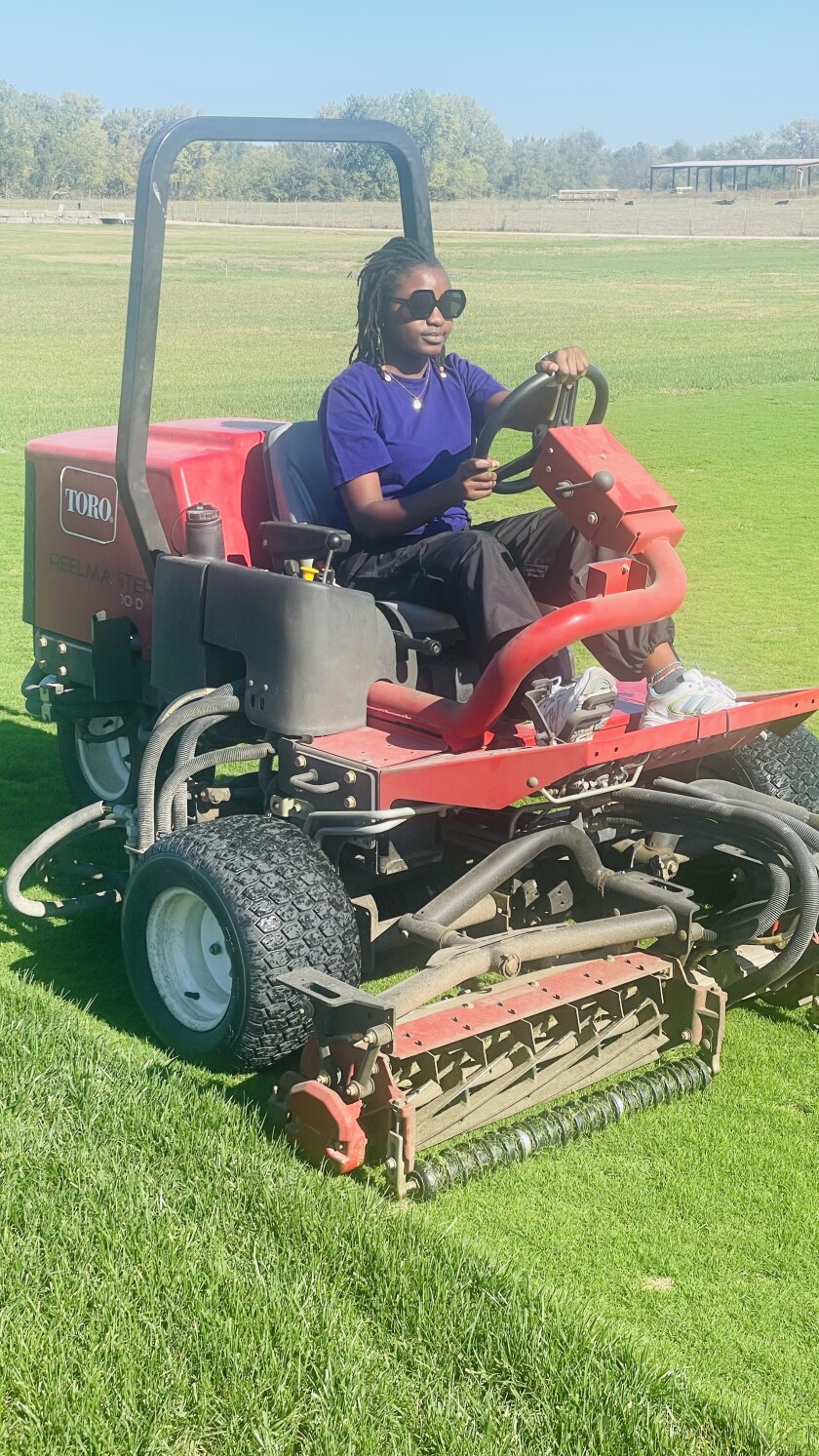
GCSAA Olayemi Ojeokun wins Larry Powell Scholarship The First Call
It Involves Resting The Affected Area, Applying Ice To.
As Soon As Possible After An Injury, Such As A Knee Or Ankle Sprain, You Can Relieve Pain And Swelling And Promote Healing And Flexibility With Rice—Rest, Ice, Compression, And Elevation.
We’re Not Taking Away From The Healing Power Of Rice Though.
Talk With Your Healthcare Provider If Pain And Swelling Persist.
Related Post:

