Clubfoot Scholarships
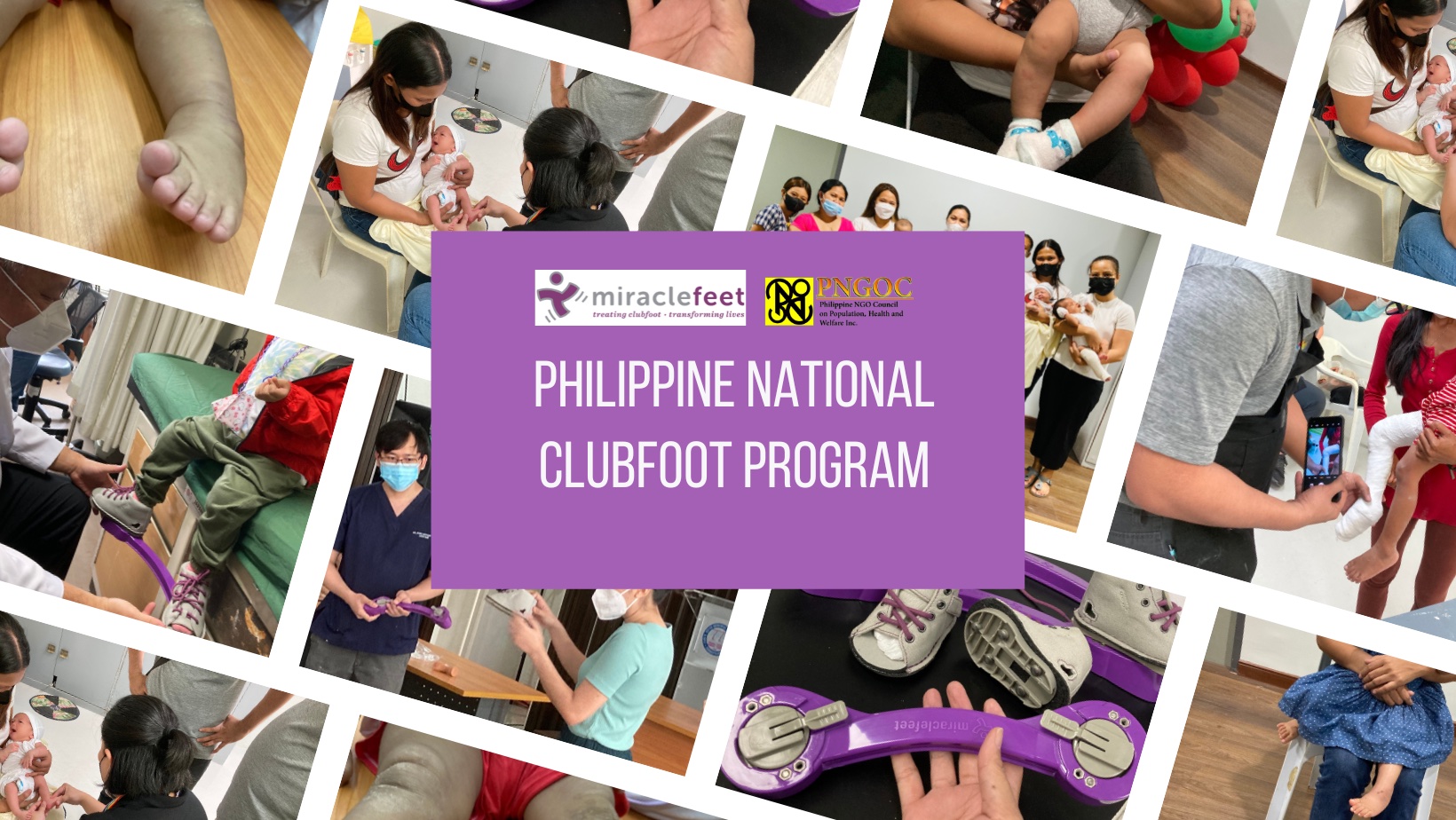
Clubfoot Scholarships - Babies who are born with a foot that’s twisted inward and downward have a birth defect called clubfoot. Clubfoot is characterized by short and tight tendons connecting the leg muscles to the foot bones, causing the foot to twist inward. The tissues connecting the muscles to the bone are called tendons. Other foot defects include metatarsus adductus, metatarsus varus, talipes. Clubfoot describes a condition present at birth in which a baby's foot is pointed in and down. Clubfoot (talipes equinovarus) is a birth defect in which the foot and ankle are twisted out of shape or position. Although the deformity may appear to be severe, particularly when first. Clubfoot is a congenital or acquired defect where one or both feet are rotated inward and downward. Please donate to help all children. Clubfoot is a birth defect where your baby’s foot or feet turn inward, often so severely that when you look at their foot, the bottom often faces sideways or even up. The tissues connecting the muscles to the bone are called tendons. Clubfoot is a deformity in which an infant's foot is turned inward, often so severely that the bottom of the foot faces sideways or even upward. [1][2] congenital clubfoot is the most common congenital malformation of the foot. Although the deformity may appear to be severe, particularly when first. Babies who are born with a foot that’s twisted inward and downward have a birth defect called clubfoot. Clubfoot is characterized by short and tight tendons connecting the leg muscles to the foot bones, causing the foot to twist inward. Clubfoot is a birth defect where your baby’s foot or feet turn inward, often so severely that when you look at their foot, the bottom often faces sideways or even up. While this condition is typically diagnosed at. Clubfoot (talipes equinovarus) is a birth defect in which the foot and ankle are twisted out of shape or position. Most cases of clubfoot can be successfully treated. Clubfoot is characterized by short and tight tendons connecting the leg muscles to the foot bones, causing the foot to twist inward. Find out what may cause it and how doctors fix it before babies learn to. Clubfoot is a deformity in which an infant's foot is turned inward, often so severely that the bottom of the foot faces sideways. Clubfoot (talipes equinovarus) is a birth defect in which the foot and ankle are twisted out of shape or position. The tissues connecting the muscles to the bone are called tendons. Although the deformity may appear to be severe, particularly when first. Lifelong disability caused by clubfoot is entirely preventable. Diagnosis is made clinically with a. Please donate to help all children. Clubfoot describes a condition present at birth in which a baby's foot is pointed in and down. Clubfoot, or talipes equinovarus, is the most common pediatric orthopedic deformity requiring treatment. Clubfoot is a deformity in which an infant's foot is turned inward, often so severely that the bottom of the foot faces sideways or. Most cases of clubfoot can be successfully treated. Clubfoot describes a condition present at birth in which a baby's foot is pointed in and down. Diagnosis is made clinically with a. Clubfoot is characterized by short and tight tendons connecting the leg muscles to the foot bones, causing the foot to twist inward. Clubfoot (talipes equinovarus) is a birth defect. Diagnosis is made clinically with a. Clubfoot describes a condition present at birth in which a baby's foot is pointed in and down. The tissues connecting the muscles to the bone are called tendons. Clubfoot (talipes equinovarus) is a birth defect in which the foot and ankle are twisted out of shape or position. Babies who are born with a. Babies who are born with a foot that’s twisted inward and downward have a birth defect called clubfoot. Most cases of clubfoot can be successfully treated. Other foot defects include metatarsus adductus, metatarsus varus, talipes. Find out what may cause it and how doctors fix it before babies learn to. Clubfoot (talipes equinovarus) is a birth defect in which the. The tissues connecting the muscles to the bone are called tendons. Clubfoot (talipes equinovarus) is a birth defect in which the foot and ankle are twisted out of shape or position. Clubfoot, or talipes equinovarus, is the most common pediatric orthopedic deformity requiring treatment. Lifelong disability caused by clubfoot is entirely preventable. [1][2] congenital clubfoot is the most common congenital. Summary clubfoot, also known as congenital talipes equinovarus, is a common idiopathic deformity of the foot that presents in neonates. Clubfoot (talipes equinovarus) is a birth defect in which the foot and ankle are twisted out of shape or position. Most cases of clubfoot can be successfully treated. [1][2] congenital clubfoot is the most common congenital malformation of the foot.. Other foot defects include metatarsus adductus, metatarsus varus, talipes. Lifelong disability caused by clubfoot is entirely preventable. Clubfoot is characterized by short and tight tendons connecting the leg muscles to the foot bones, causing the foot to twist inward. Clubfoot is a congenital or acquired defect where one or both feet are rotated inward and downward. Diagnosis is made clinically. While this condition is typically diagnosed at. Other foot defects include metatarsus adductus, metatarsus varus, talipes. Babies who are born with a foot that’s twisted inward and downward have a birth defect called clubfoot. Summary clubfoot, also known as congenital talipes equinovarus, is a common idiopathic deformity of the foot that presents in neonates. Find out what may cause it. Although the deformity may appear to be severe, particularly when first. Clubfoot (talipes equinovarus) is a birth defect in which the foot and ankle are twisted out of shape or position. Please donate to help all children. [1][2] congenital clubfoot is the most common congenital malformation of the foot. Clubfoot is a deformity in which an infant's foot is turned inward, often so severely that the bottom of the foot faces sideways or even upward. Find out what may cause it and how doctors fix it before babies learn to. The tissues connecting the muscles to the bone are called tendons. Clubfoot, or talipes equinovarus, is the most common pediatric orthopedic deformity requiring treatment. Clubfoot is a birth defect where your baby’s foot or feet turn inward, often so severely that when you look at their foot, the bottom often faces sideways or even up. Clubfoot describes a condition present at birth in which a baby's foot is pointed in and down. Other foot defects include metatarsus adductus, metatarsus varus, talipes. Babies who are born with a foot that’s twisted inward and downward have a birth defect called clubfoot. Diagnosis is made clinically with a. Most cases of clubfoot can be successfully treated. While this condition is typically diagnosed at.Philippine National Clubfoot Program Pasay City
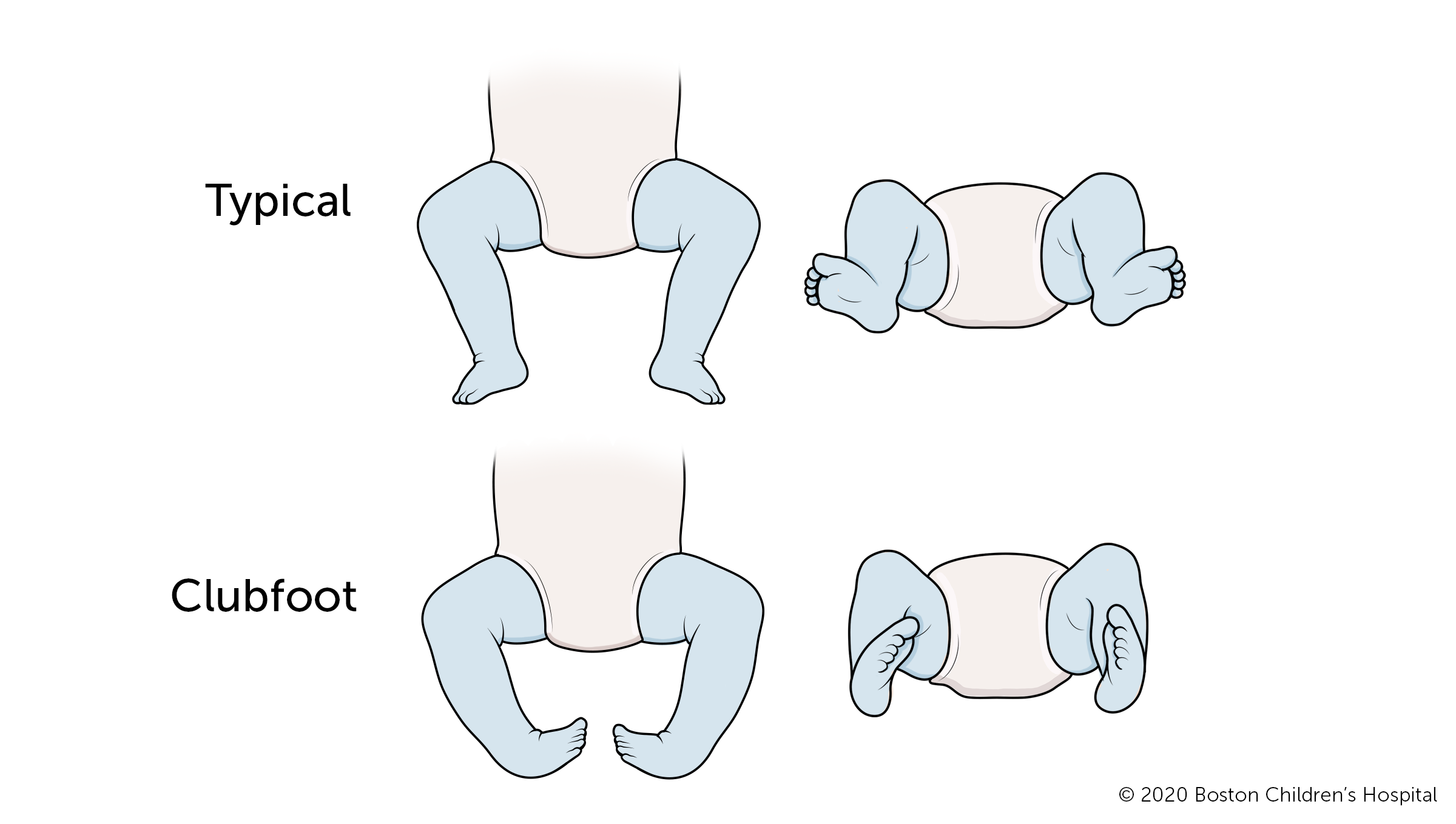
Clubfoot Boston Children's Hospital
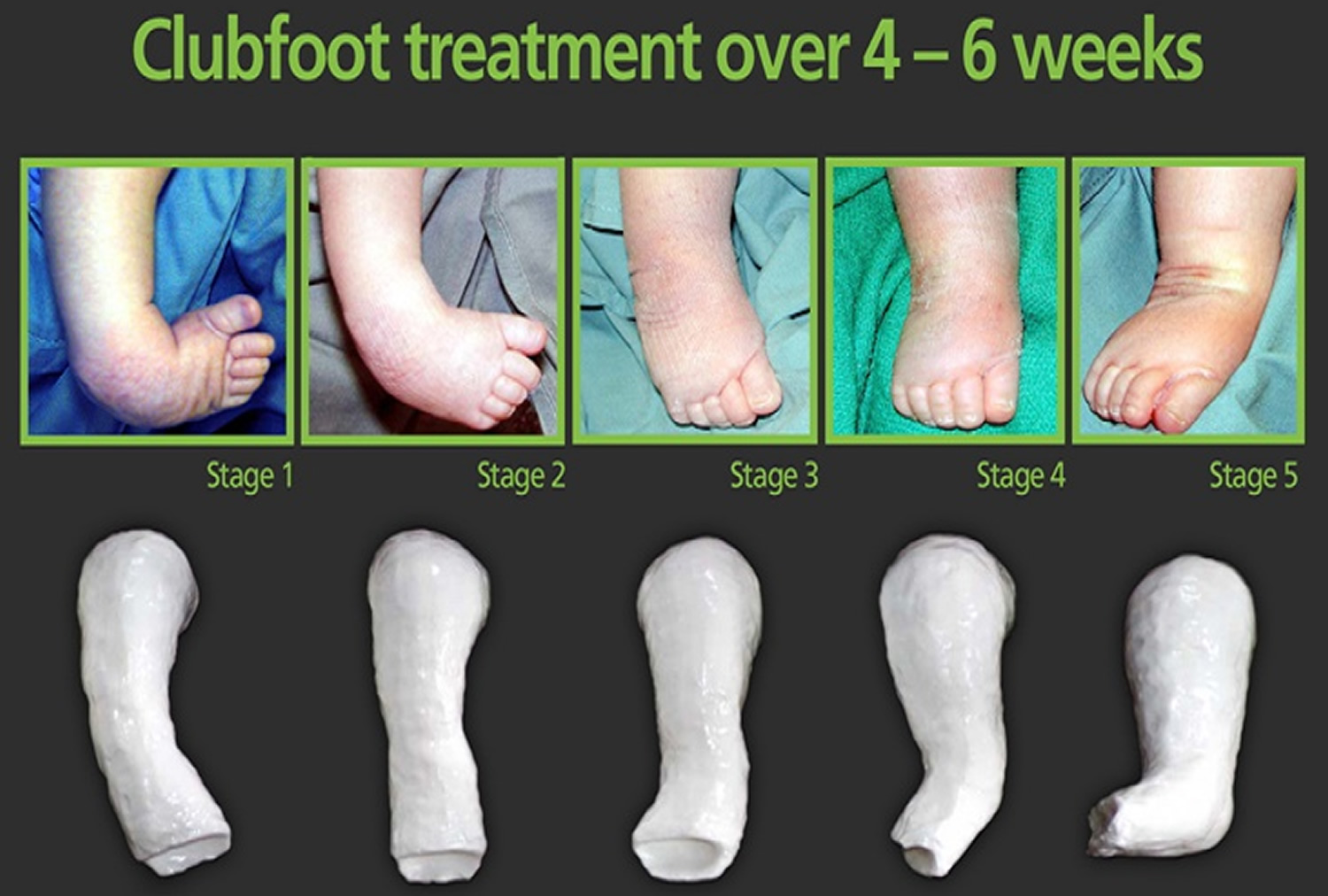
Club Foot Congenital Clubfoot Causes, Types, Symptoms & Treatment
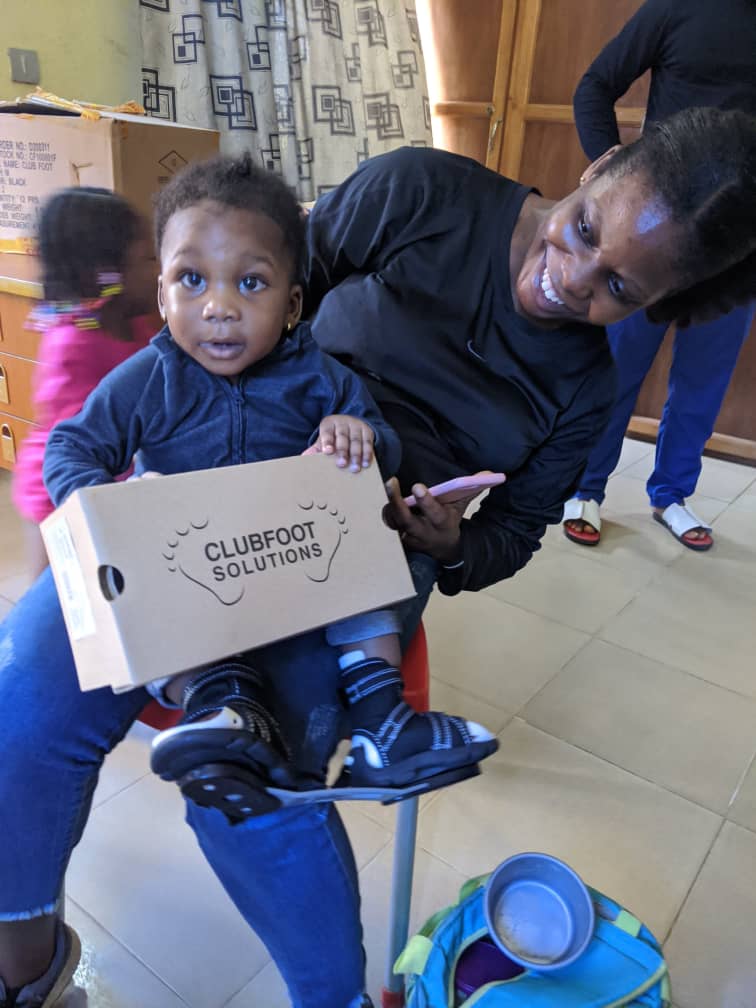
2024 Braces for Hope Campaign Clubfoot Solutions

Premium Vector Line vector of clubfoot infographic. Casting phase
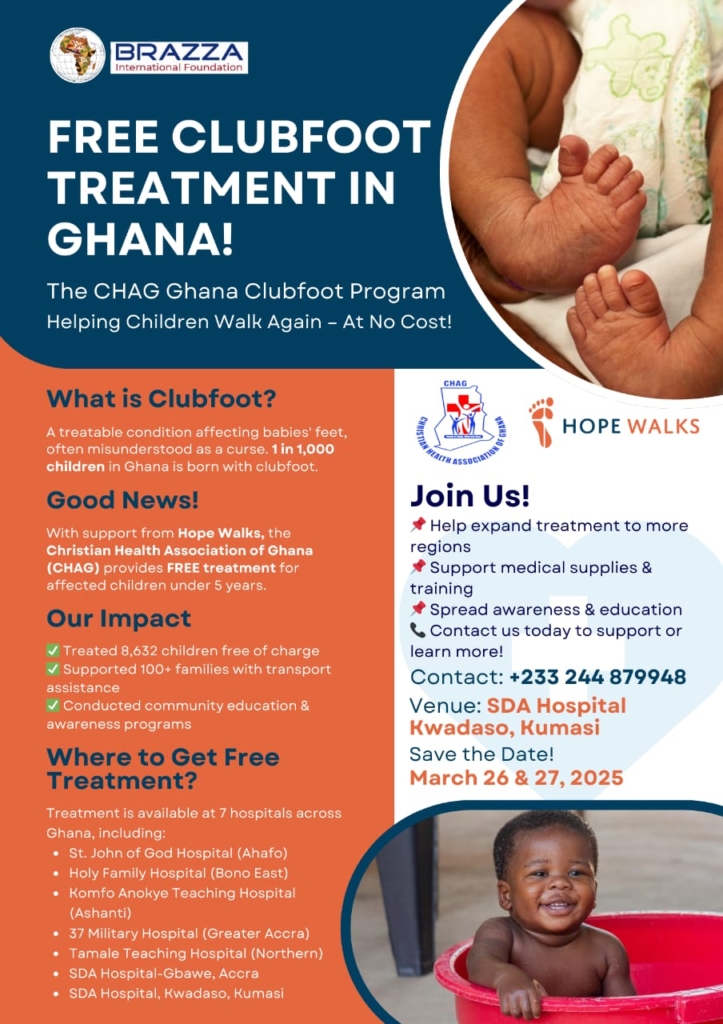
Children with clubfoot not cursed, free treatment on March 26 & 27 at
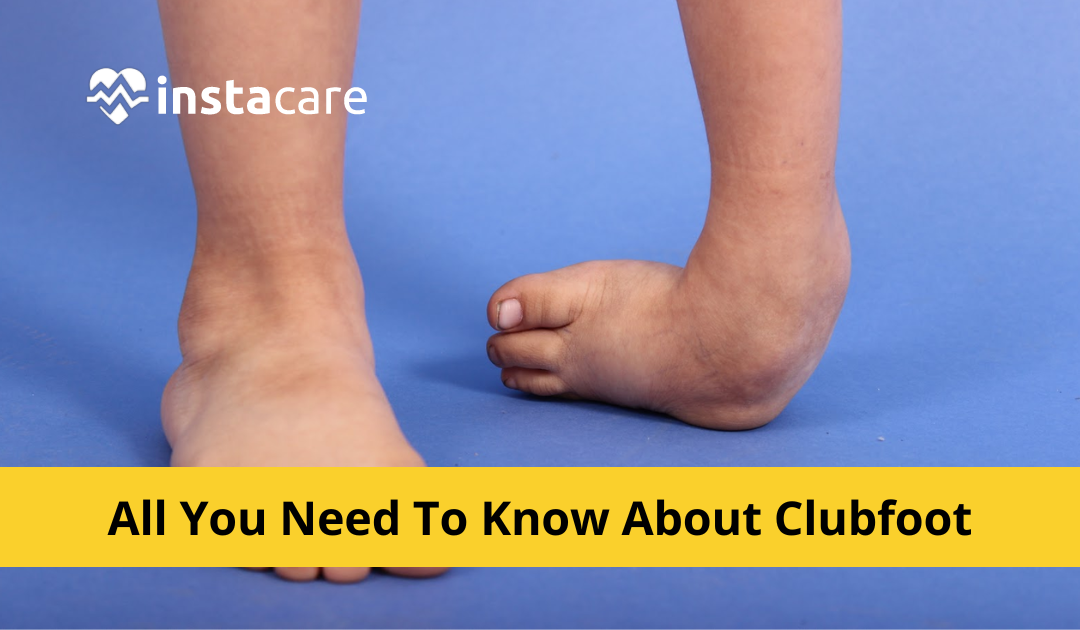
What Is Clubfoot Treatments And Symptoms Facty Health What Are The 5
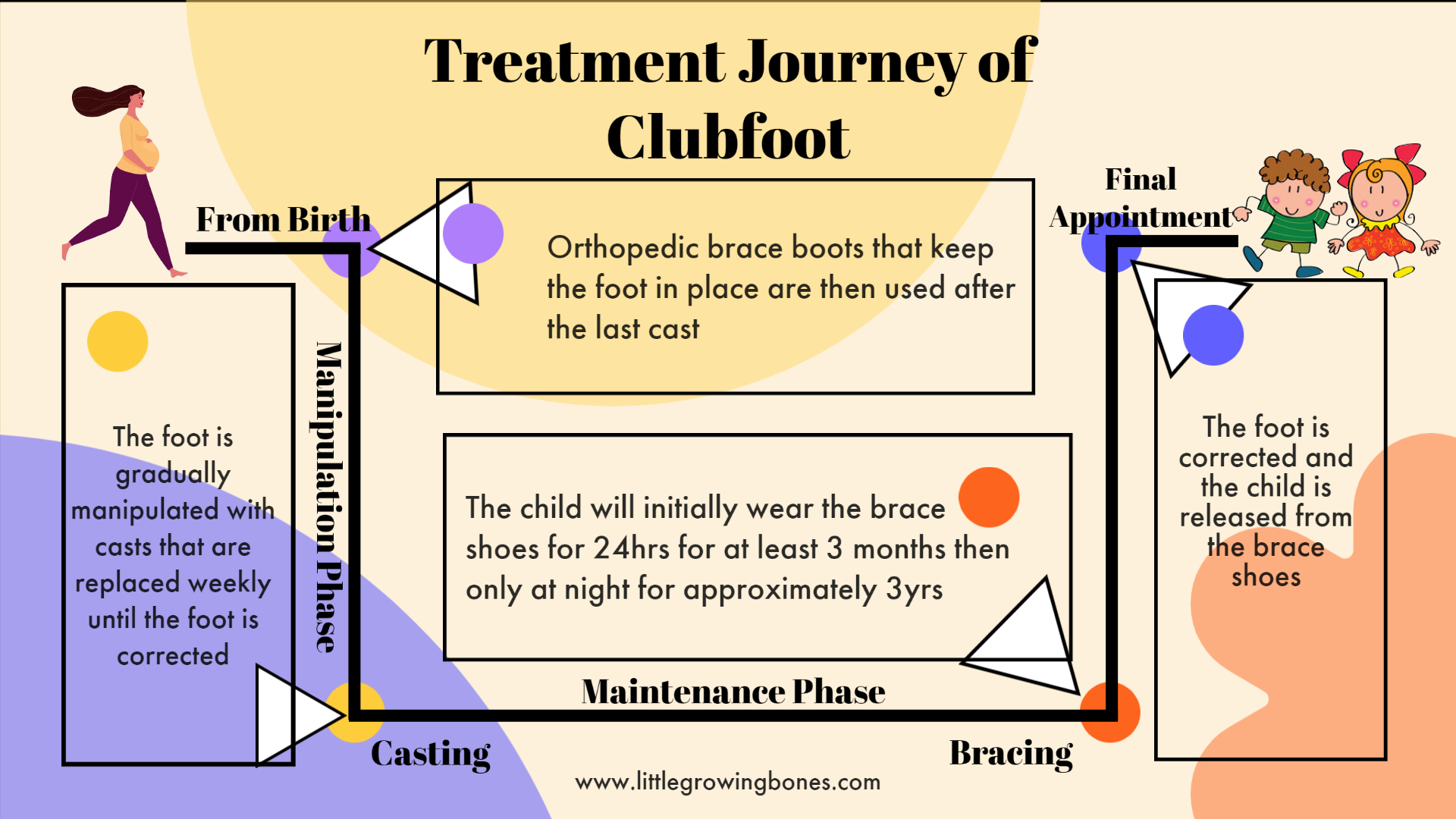
Clubfoot deformity in children what is it and the treatment little

Home Club Foot Education

A Clubfoot Girl with Perseverance and Aspiration
Lifelong Disability Caused By Clubfoot Is Entirely Preventable.
Clubfoot Is A Congenital Or Acquired Defect Where One Or Both Feet Are Rotated Inward And Downward.
Summary Clubfoot, Also Known As Congenital Talipes Equinovarus, Is A Common Idiopathic Deformity Of The Foot That Presents In Neonates.
Clubfoot Is Characterized By Short And Tight Tendons Connecting The Leg Muscles To The Foot Bones, Causing The Foot To Twist Inward.
Related Post: